
The Element · Tile
Porcelain & ceramic tile, Sydney
Large-format porcelain, terrazzo, handmade zellige and stone-look bodies — specified with the slip ratings, grout joints and setting-out that make a wet area look effortless.
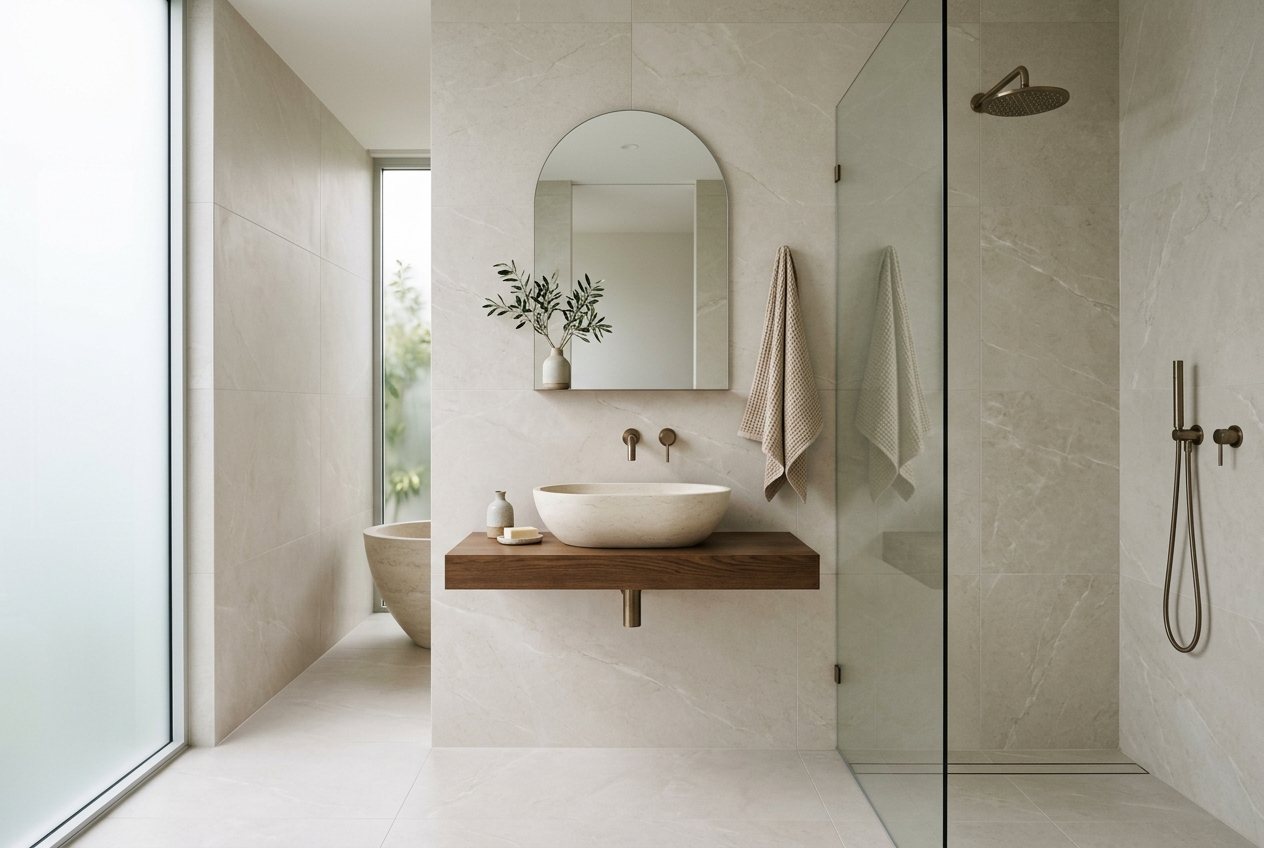
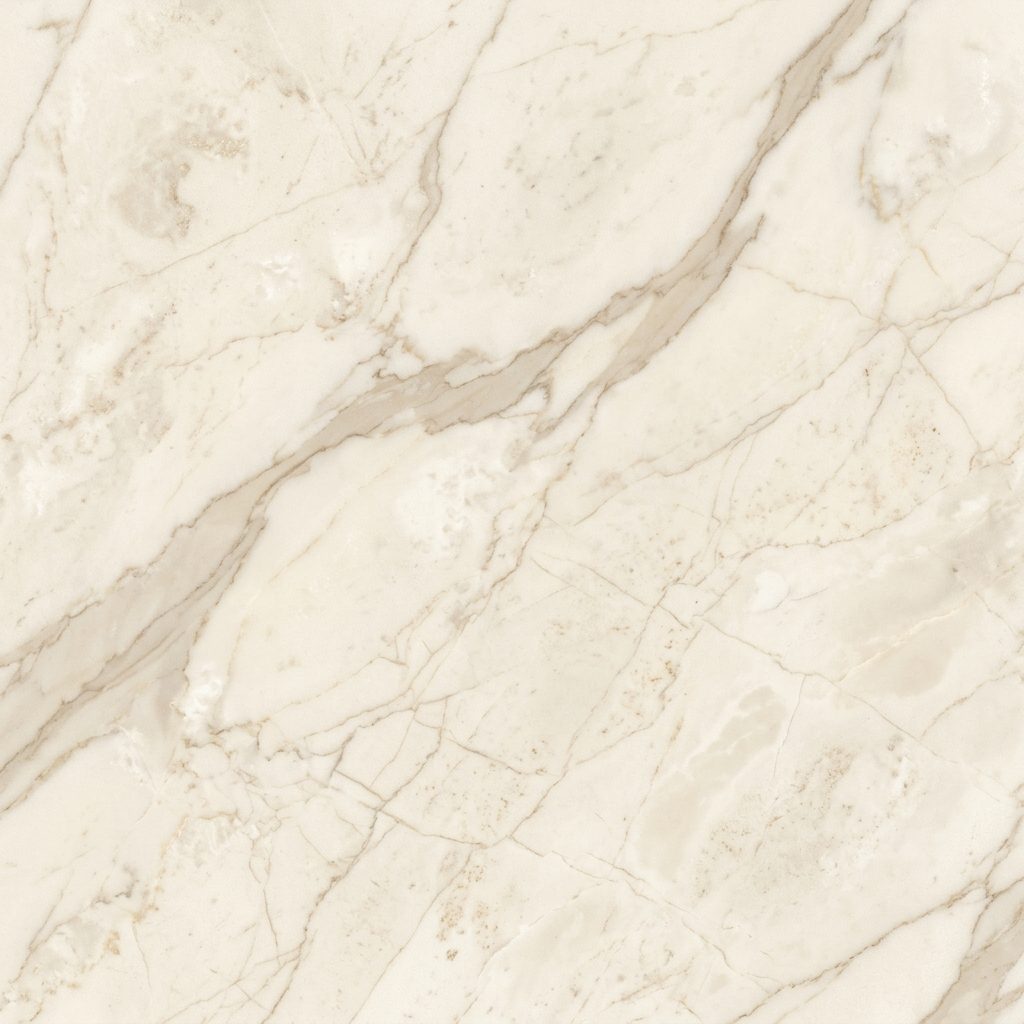
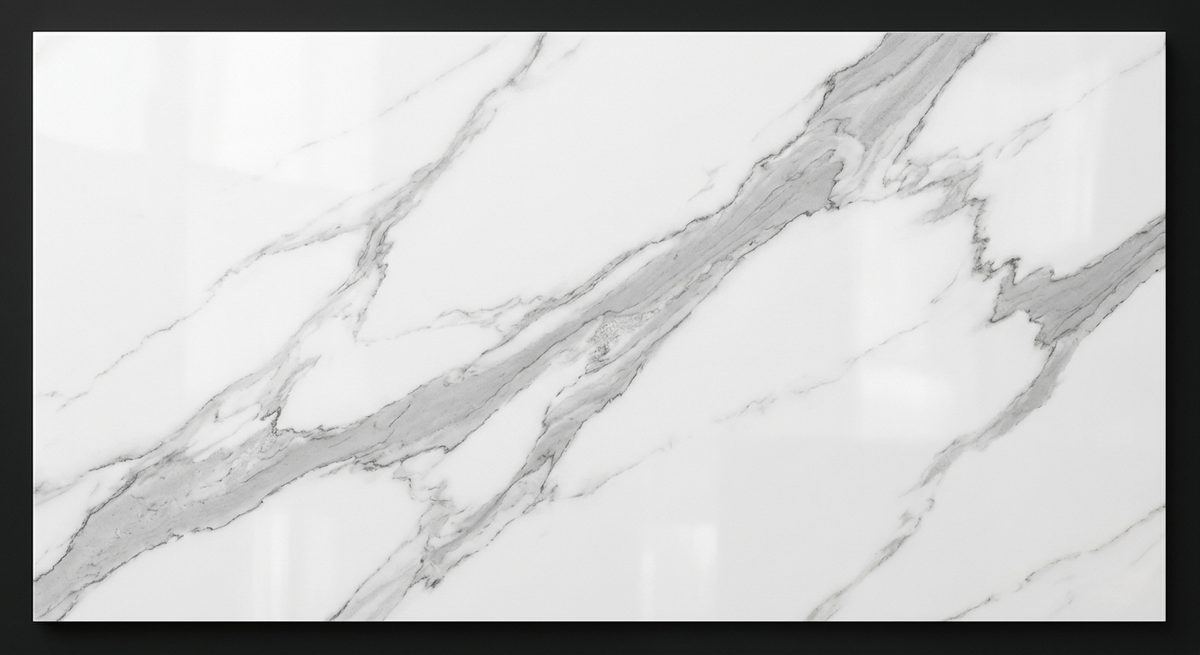
Tile is the most technical element in the house and the one where a beautiful selection can still fail. Slip rating, format, rectification, substrate movement, waterproofing and grout colour all decide whether a bathroom reads as calm or busy. We keep a curated range of large-format porcelain, honed stone-look bodies, terrazzo and handmade glazes, and we specify them against Australian standards rather than a mood board alone.
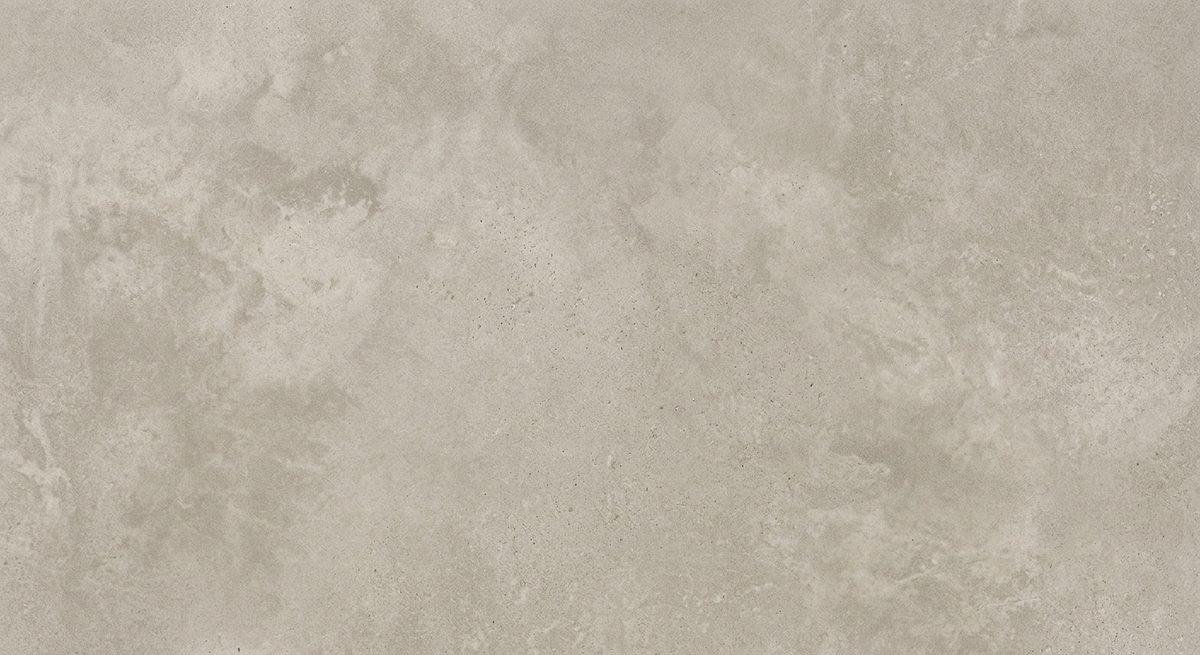
Large formats have changed bathrooms: fewer joints, fewer shadow lines, a quieter room. They also demand flatter substrates and better setting-out. We work through the tile layout, the fall to waste and the junctions before anything is ordered, because that is where tiled rooms are won.
Slip ratings specified to AS 4586
P-ratings matched to the room — internal floors, wet bathroom floors, external and pool surrounds each need a different result.
Large-format done properly
Rectified bodies up to 1200x2800mm with minimal joints, plus the substrate and setting-out advice they require.
Character glazes and terrazzo
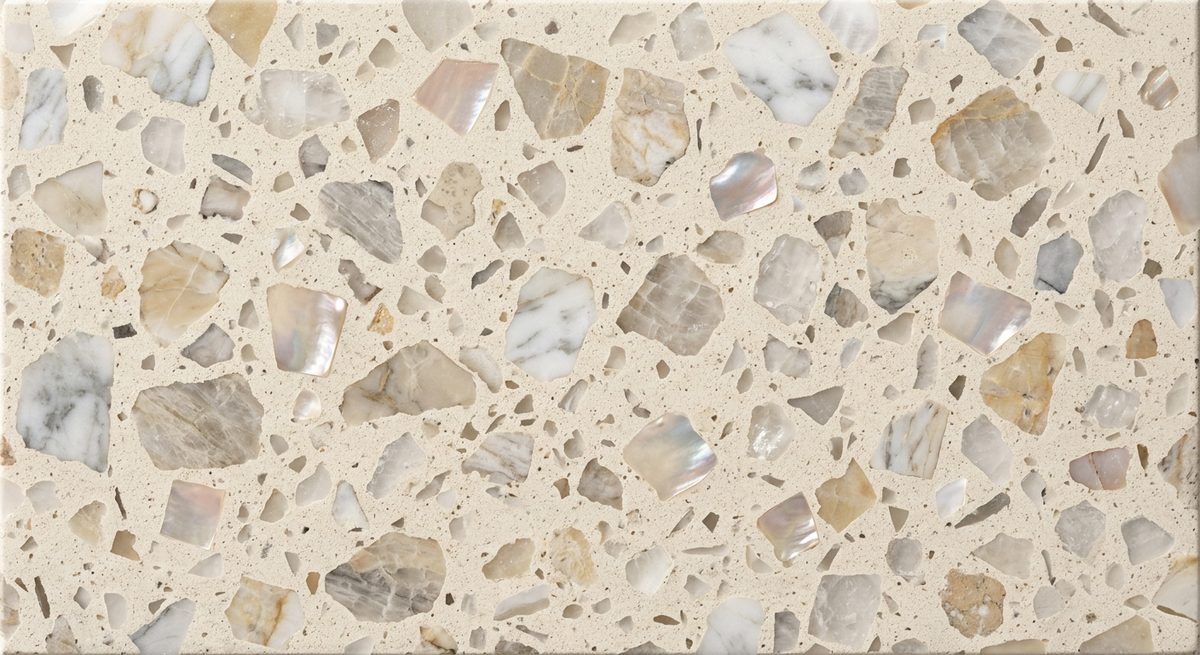
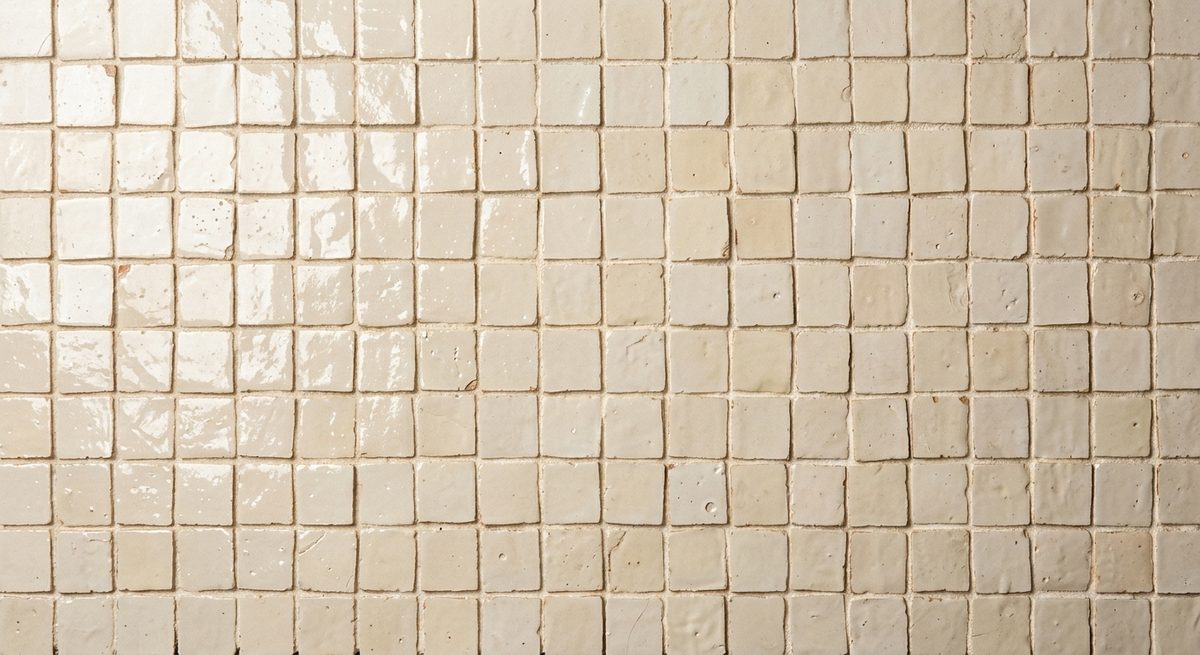
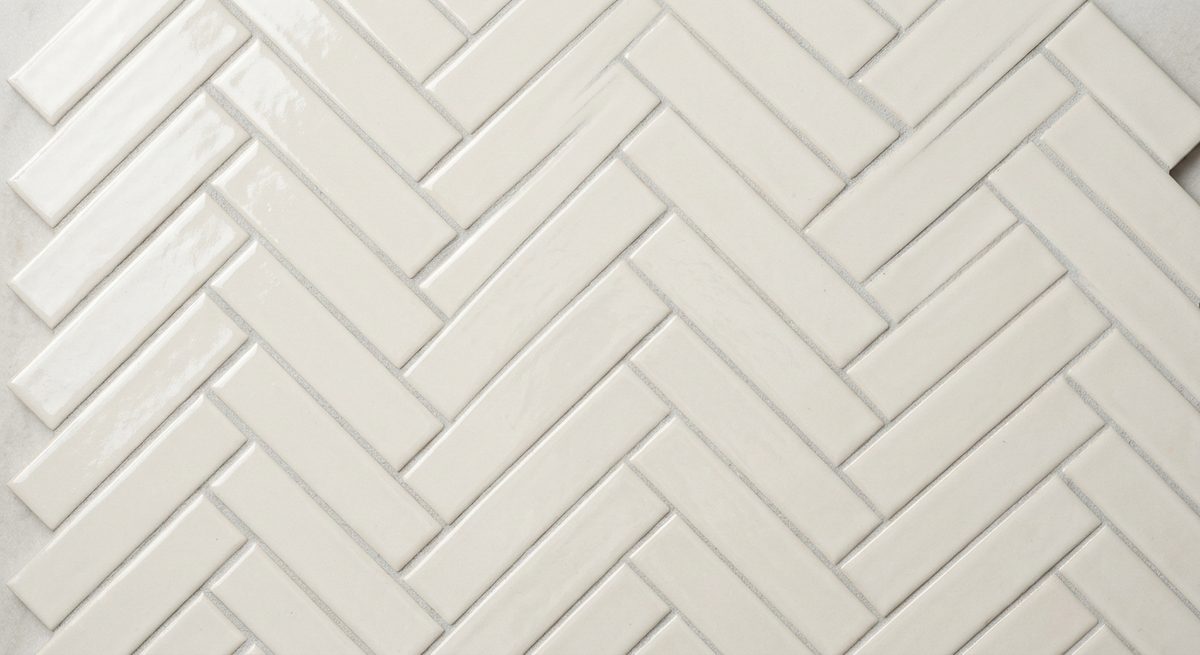
Handmade zellige, glazed brick and terrazzo bodies for rooms that want texture instead of a flat field.
In the studio
Tile in the collection
Common questions
Tile, answered
What slip rating do I need for a bathroom floor in Australia?
+
Internal wet-area floors such as bathrooms and shower bases are typically specified at P3 as a minimum, with P4 or P5 for ramps, external areas and pool surrounds. Internal dry floors are commonly P2. We supply the tested AS 4586 rating for the exact finish you select so it can be documented in your specification.
Are large-format tiles a good idea in a small bathroom?
+
Usually yes. Fewer grout joints make a small room read larger and calmer, and a matching wall and floor body carries the eye. The trade-off is substrate flatness and setting-out: large formats are unforgiving on an uneven floor, so allow for levelling in the budget.
Porcelain or natural stone for a wet area?
+
Porcelain is dense, non-porous, needs no sealing and can convincingly reproduce marble or limestone. Natural stone gives depth and movement no print can match, but wants sealing and a gentler cleaning regime. In heavily used family bathrooms we usually specify porcelain and save the stone for a feature or a lower-traffic ensuite.
Can tile be laid over an existing tiled floor?
+
Sometimes, if the existing floor is sound, well bonded and the extra height works with doors, thresholds and falls to waste. In wet areas the waterproofing usually needs to be reinstated, which means removal. We assess it on site before committing either way.
How wide should the grout joint be?
+
Rectified large-format tiles are commonly set with a 2 to 3mm joint, pressed and handmade tiles need more to absorb their size variation, and external areas need wider joints to allow movement. Grout colour matters as much as width — matching it to the tile quietens a room, contrasting it draws the grid.
Where can I see tile samples in Sydney?
+
At My Floor Studio, 184 Victoria Road, Drummoyne NSW 2047, by appointment Monday to Saturday. We work across the Inner West, Lower North Shore, Eastern Suburbs, greater Sydney and regional New South Wales, and can send samples to your project address.
Where we work
Tile across Sydney
and New South Wales
The studio is at 184 Victoria Road, Drummoyne — five minutes from Five Dock and Russell Lea, ten from Balmain, Rozelle and Concord, and an easy run from the Lower North Shore and the Eastern Suburbs. Consultations are by appointment, Monday to Saturday, so the room is yours for the hour.
Regularly specifying tile for projects in Drummoyne, Five Dock, Russell Lea, Rodd Point, Abbotsford, Chiswick, Balmain, Rozelle, Leichhardt, Haberfield, Concord, Annandale, Newtown, Hunters Hill, Mosman, Lane Cove, Paddington, Woollahra, Bondi, Vaucluse, and for architects and builders across Inner West Sydney, Lower North Shore, Eastern Suburbs, Northern Beaches, Greater Sydney, New South Wales.
Studio details & directions →The other elements