
The most common mistake we see in a renovation brief is a single flooring choice stretched across an entire house. A floor that is perfect underfoot in a bedroom can be a maintenance headache in a kitchen; a tile that reads beautifully in a living room can be a genuine slip hazard on a wet bathroom floor.
The right specification balances four things in every room: moisture exposure, foot traffic, slip resistance and the comfort you actually want underfoot. Below is the approach our studio takes, room by room.
Entry & hallway — the highest-traffic zone
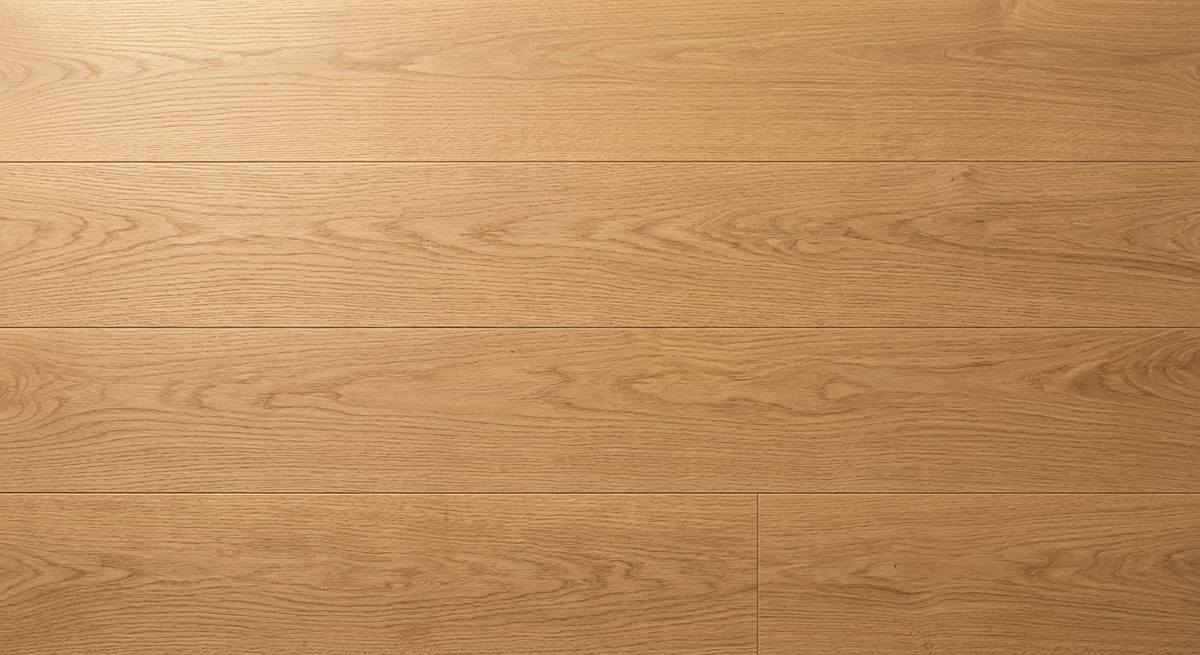
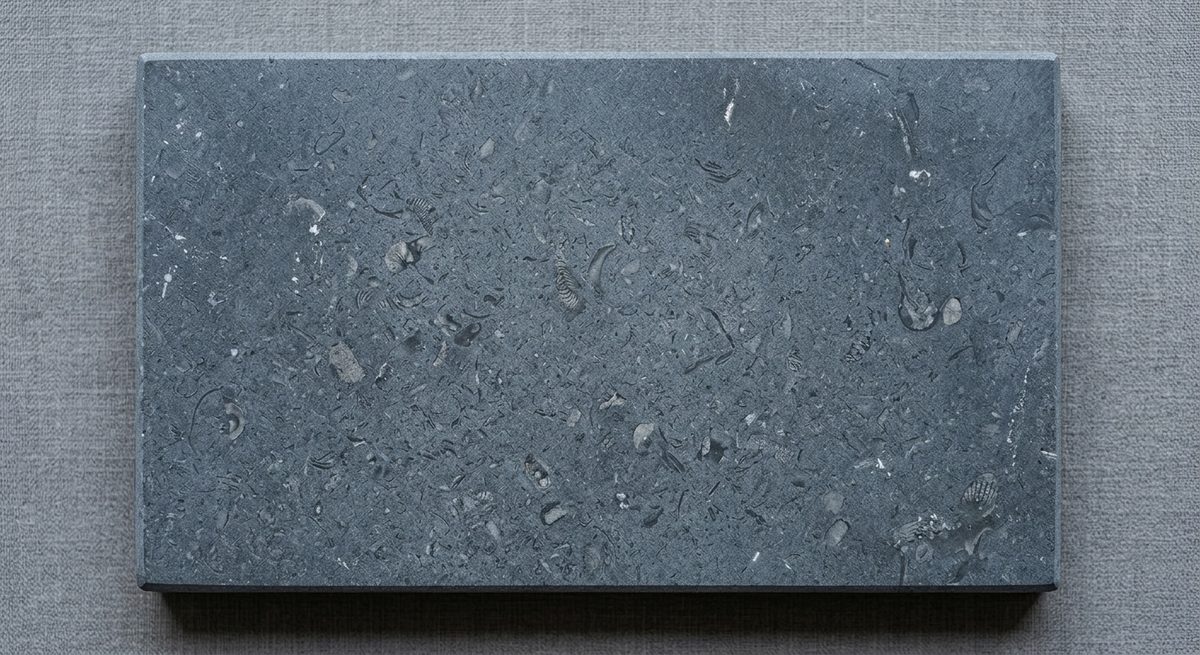
Entries take the most punishment in the house: grit from shoes, water on wet days, and constant traffic. Specify the hardest-wearing surface you can. Full-body porcelain, dense natural stone (basaltina, bluestone) or a high-grade engineered oak all perform well.
If you want the warmth of timber in the entry, a wire-brushed matte-oil engineered oak hides fine wear far better than a high-gloss lacquer, which shows every scratch under low sun.
Kitchen — durability meets spills
Kitchens combine heavy traffic with frequent spills, so the surface needs to shrug off water, oil and dropped pans. Porcelain and dense stone are the safe long-term choices. Engineered timber is entirely liveable in a kitchen provided spills are wiped promptly and a mat sits at the sink zone.
Whatever the material, a matte or honed finish is more forgiving than a polish — it hides water spotting and micro-scratches, and it reads as quiet luxury rather than showroom shine.
Bathrooms & wet areas — slip resistance is non-negotiable
This is where specification becomes a safety question, not just an aesthetic one. A wet bathroom floor needs a slip rating appropriate to a barefoot, wet environment. In Australia that means checking the AS 4586 / AS/NZS 4586 slip classification (the P-rating) rather than trusting the way a tile looks.
As a rule of thumb, we specify a minimum of P3 for internal wet floors and step up to P4 or P5 for shower bases, pool surrounds and external steps. A honed stone or matte porcelain in the right rating is both beautiful and safe; a polished marble on a shower floor is neither.
For the full picture on slip ratings and where each P-rating belongs, read our guide to AS 4586 & P-ratings.
Living & family rooms — comfort and hold
Living rooms are where you can lead with feel. Wide-plank engineered oak brings warmth and a sense of continuity through open-plan spaces; a tight wool loop carpet brings acoustic calm and softness underfoot in a media or family room.
If the living space flows into a kitchen or opens to an alfresco, consider carrying one continuous floor through the transition and layering rugs for zoning — it makes a modest footprint feel far larger.
Bedrooms — lead with softness
Bedrooms are the one room where raw durability matters least and comfort matters most. This is the natural home for a plush wool or wool-blend carpet: warm underfoot on a cold Sydney morning, quiet, and forgiving.
Where clients prefer timber in bedrooms for a consistent look, we soften the room with generous rugs at the bedside rather than compromising on the floor itself.
A quick specification summary
- Entry / hallway: porcelain, dense stone, or hard-wearing matte engineered oak.
- Kitchen: porcelain or stone for the longest life; engineered oak is liveable with prompt spill care.
- Bathroom / wet area: honed stone or matte porcelain, minimum P3 (AS 4586), P4–P5 for showers and external steps.
- Living / family: wide-plank engineered oak or wool loop carpet.
- Bedroom: wool or wool-blend carpet for warmth and quiet.
Every home is different, and the right answer always depends on the light, the layout and how the household actually lives. If you would like a room-by-room specification for your own project, the studio is happy to work through it with you and organise samples.