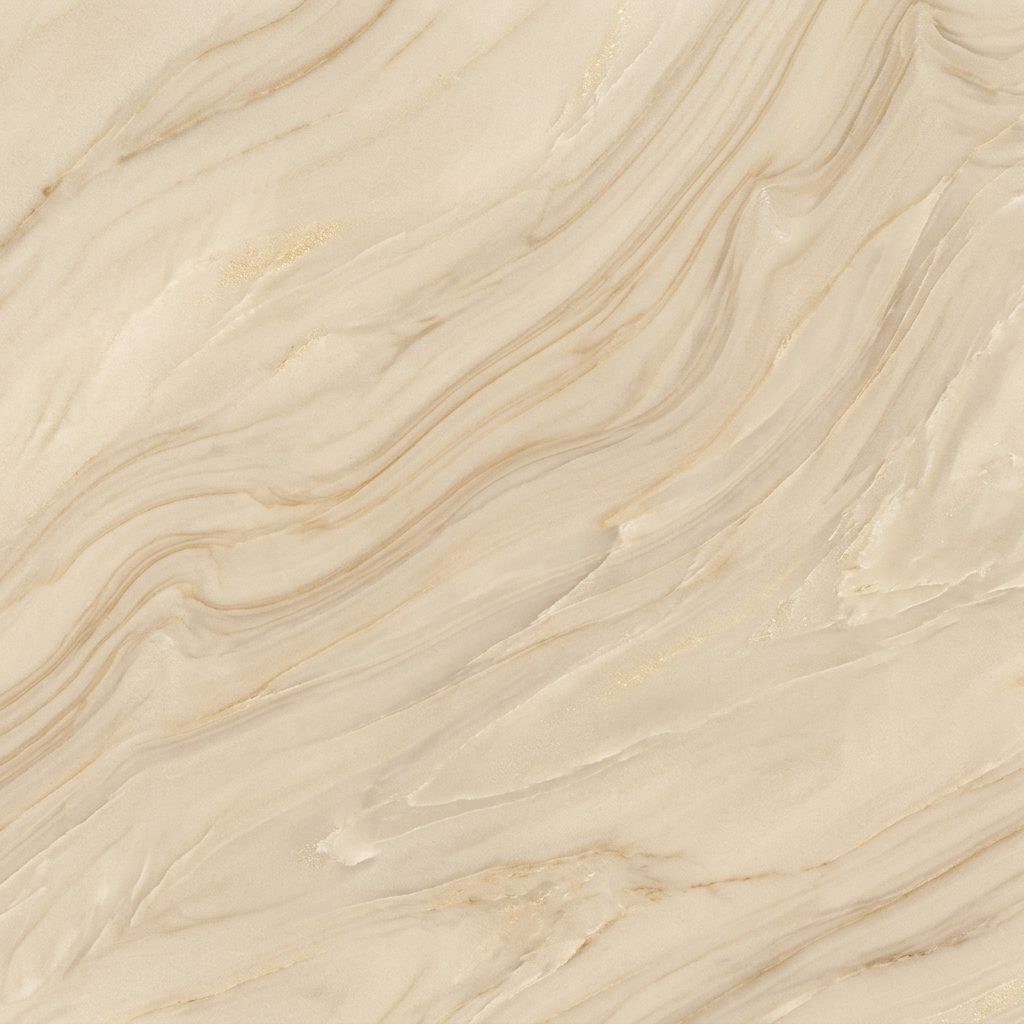
Stone · Statement · Cream
Taj Mahal Quartzite
Polished · Soft wave veining
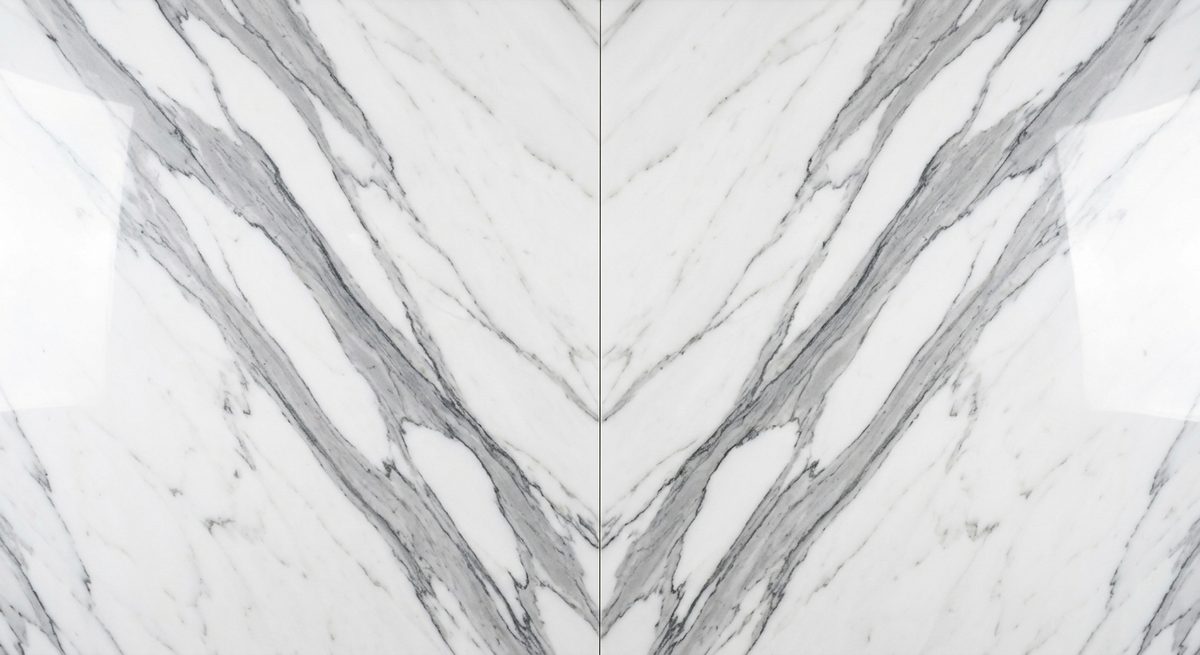
Taj Mahal is a warm-white quartzite quarried in Brazil — often specified as an alternative to Calacatta marble because it delivers the same luxurious white-with-veining palette but with quartz-level hardness and no acid-etching risk. Extremely stable underfoot and in wet zones.
5 colours
Indicative pricing band $$$$ · formal quote on request
Technical specification
What sits beneath the finish.
- Material
- Taj Mahal Quartzite (natural quartzite)
- Origin
- Brazil (Bahia state)
- Format
- 600 × 400 mm slab-cut · or full-slab up to 3200 mm
- Thickness
- 20 mm floor / 30 mm bench
- Finish
- Honed or leathered
- Density
- 2650 kg/m³
- Water absorption
- ≤ 0.2%
- Mohs hardness
- 7 (harder than granite; nearly the hardness of quartz)
- Etch resistance
- High · does not etch to acids like marble does
- Slip resistance (honed wet)
- AS 4586 · P3 / R10
Care & maintenance
How this floor ages well.
- 01Seal on install and refresh sealer every 12–24 months for high-traffic areas.
- 02Sweep or vacuum daily; damp-mop with a pH-neutral stone cleaner weekly.
- 03Never use vinegar, lemon, bleach or ammonia — all etch calcareous stones (limestone, marble, travertine).
- 04Wipe wine, citrus, oil and coffee within seconds to prevent etching.
- 05Have honed finishes re-honed by a stone-restoration professional every 10–15 years to remove wear scratches.
Where it works best
Application by room.
- Kitchens (floor and bench)
- Bathrooms
- Feature walls
- Entries
Warranty
Material only · workmanship of installer covered separately
Sustainability
Natural, quarried material · zero VOCs · lifetime durability · fully recyclable as crushed aggregate at end of life
From the same element